
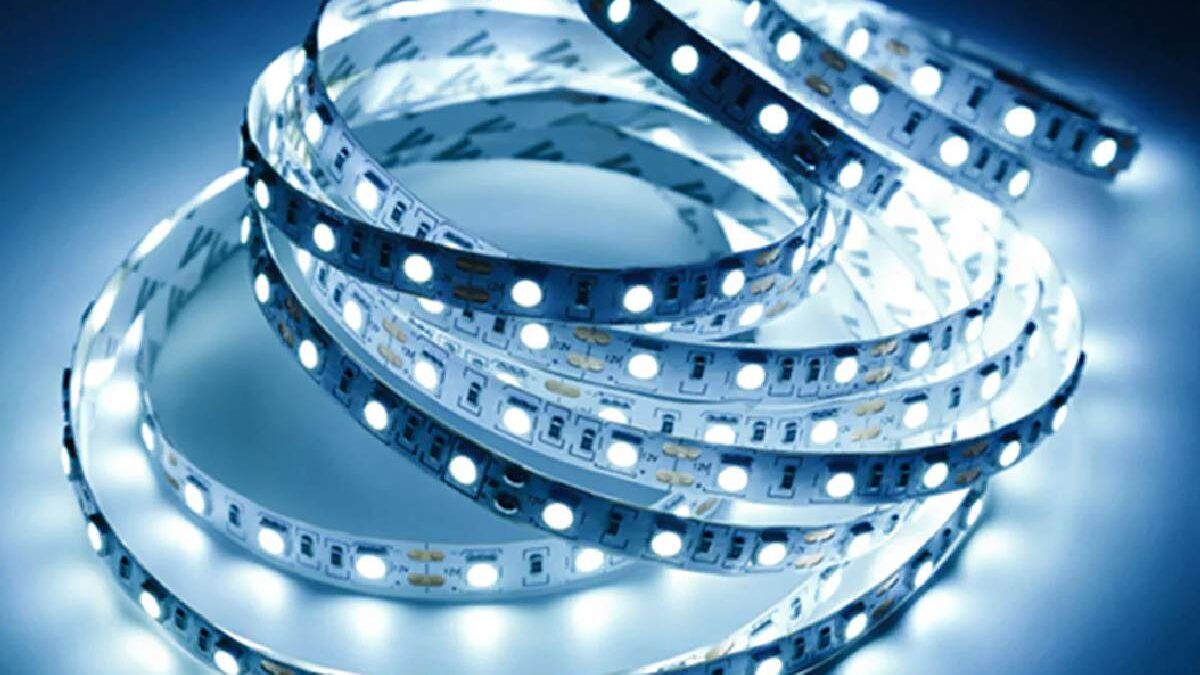
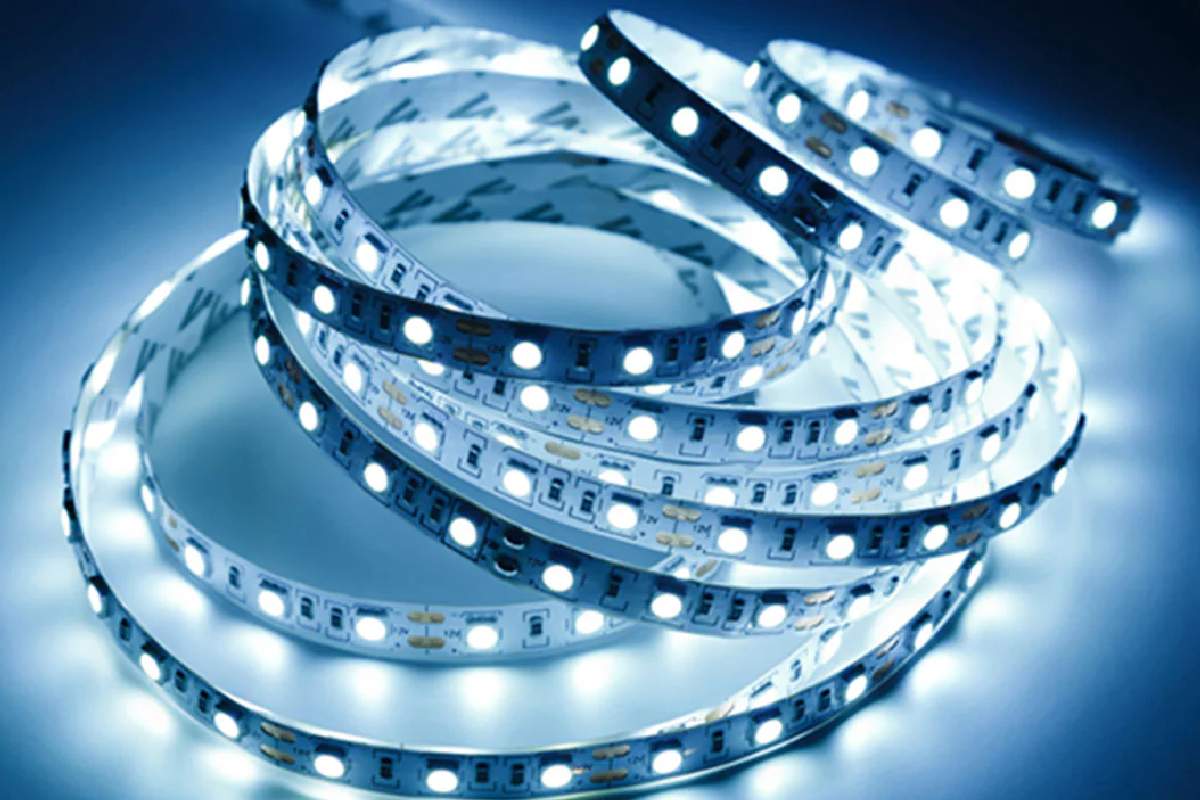
LED lighting has truly transformed off-grid cabins and barns as they offer bright and dependable lighting which is usually powered by solar panels making the whole system independent from the grid. As a result, energy costs are reduced by 70-90% while the system continues to withstand dirt, moisture, and temperature changes going from -20°F winters to 100°F summers. In far-off homesteads, such lighting can also be used along with solar batteries for non-stop operation thus, allowing workshops for chainsaw repairs or paths towards chicken coops to be lit without the use of diesel generators or the need for hazardous wiring. Moreover, designed for the needs of the countryside, they are resistant to the ammonia released from livestock barns thus, making it possible to incorporate motion sensors which get turned on only when there is a fox raid or a night check and hence, saving battery life 2-3x.
Table of Contents
Off-Grid Cabin Lighting Essentials
Cabins require low energy LEDs (5-15W per fixture) powered by 12V solar systems: 100W panels are used to charge 100Ah lithium batteries thus, providing a 5-10-day cloudy weather backup and the power is then used for lighting with recessed cans (800 lumens) in 200 sq ft kitchens or wall sconces that throw 1200 lumens over reading nooks. Dimmable strips placed under eaves offer the perfect lighting for seed starting, consuming only 20% of what traditional incandescent bulbs would consume, while at the same time mimicking daylight spectra (5000K) and thus, helping to alleviate the problem of seasonal blues in the northern latitudes.
Smart integration is a major factor behind their success: WiFi hubs such as the ones from Ahlec Solar allow the automation of lights from dusk till dawn via apps, thus, lights are used only when needed i.e. during low solar yield—motion sensor overrides, on the other hand, porches flood lights that are used to keep away critters when a battery is not being drained. A local example: A Montana off-grid cabin replaced its fluorescent lights with 20W solar LEDs and as a result, the daily runtime was reduced from 8kWh to 1.2kWh, thus, panels are now available for water pumps.
Energy Efficiency Research and Cost Savings
LED lighting has been extensively studied for its ability to reduce energy demand across residential and commercial sectors.
Energy Consumption Comparison
| Lighting Type | Power Use (Lumens ≈ 800) | Annual Energy Cost* |
|---|---|---|
| Incandescent | 60 W | High |
| CFL | 13–15 W | Medium |
| LED | 8–10 W | Low |
Barn and Workshop Powerhouses
High-bay LEDs (100-200W, 15,000 lumens) illuminate 40×60-foot pole barns and thus, become the main source of light instead of the 400W sodium lamps that were used for half the light and, as a result, energy was wasted—also, the barn is evenly lit without any shadowing occurring on the hay bales or tractor bays thereby, increasing the safety of the place during the nighttime period. The LED lamps are enclosed in dust-tight IP65 housings that protect them from manure dust; vapor-tight models are used for washdown operations thus, with their 50,000-hour lifetimes, they are far from being replaced after three halogen cycles.
One of the benefits that come with the use of LED lighting in agriculture is that the color temperature of the light is 4000K and hence, it is appropriate both for the visual inspection of the milk and the checking of the calves’ wounds; also, dimmers are in sync with the biorhythms of the animals, indirectly enabling 10-15% more energy to be utilized in the Dutch barn studies. Some of the best features of the farm shops may include shop lights with magnetic mounting points for the easy and mobile work under hoods, powered by 220V inverters from 2kW solar arrays.
LED Lights for Bedroom
Bedroom lighting requires a balance between comfort, sleep health, and functionality.
Recommended LED Specifications for Bedrooms
| Parameter | Ideal Range |
|---|---|
| Color temperature | 2700–3000K |
| Brightness | 400–800 lumens |
| CRI | ≥90 |
| Dimming capability | Yes |
| Flicker | Minimal to none |
Solar Integration for Rural Resilience
Installing solar-powered lighting for barns is an easy task and can be done without any help: 50W panels combined with 10Ah batteries provide sufficient light to an area of 1,000 sq ft which can consist of a pathway or a driveway while charging is done automatically for 6 hours thus, allowing for 12-hour lighting to be achieved—this is the perfect solution for gravel lanes leading to silos where trenching is $10/ft. Grid-tied hybrids work together: LEDs that are powered by inverters will failover smoothly when there is a power outage, and with net metering, the extra power produced from farm solar is credited back to the user.
Battery banks (200-500Ah) are where the energy obtained during the day is stored for use at night: MPPT controllers are responsible for making the most of the solar energy that is received by the south-facing roofs (20-30% more) and therefore, they can be the power source for 50 fixtures indefinitely without the need for electricity coming from the grid. Sepco systems are backed by 25-year warranties and their poles are AASHTO-rated for use on windy prairies—what’s more, there is no wiring and no bills.
LED vs. Traditional Rural Lighting
| Type | Lumens/Watt | Lifespan (Hours) | Barn Durability | Solar Compatibility | Annual Cost (500 sq ft) |
| LED High-Bay | 130-150 | 50,000-100,000 | IP65 Ammonia-proof | Excellent (12V) | $20-50 |
| Metal Halide | 80-100 | 10,000 | Low (dust fails) | Poor | $200+ |
| Solar Barn Light | 100-120 | 70,000 | Weatherproof | Native | $0 post-install |
| Fluorescent Shop | 90-100 | 20,000 | Medium | Moderate (inverter) | $100-150 |
Savings: Barn retrofits recoup $5k in 2 years via 80% cuts; off-grid cabins eliminate $2k/year generator fuel.
Installation Roadmap for Homesteads
Cabins (DIY, 4 hours): Mount 10-20W recessed lamps via junction boxes linked to 12V bus bars; solar controller in the utility closet manages the loads. Install occupancy sensors ($15) for automatic lighting.
Barns (Pro optional, 1 day): Hang high-bays 12-15 ft apart on chains for height adjustment; solar floods on eaves with photocells. Ground faults through GFCIs eliminate the chances of shocks near water troughs.
Solar Setup: Panels should be sized at 1.5 times the daily draw (e.g., 300W for 200Wh lights); AGM/lithium batteries in a ventilatedLED lights have become a game-changing technology for off-grid cabins and barns as they provide 80-90% energy savings compared to incandescent bulbs while also being compatible with solar panels for continuous lighting during long rural nights or power outages.
In remote areas without grid access, these robust lighting fixtures can resist dust, moisture, and ammonia from the livestock area, thus making them safe for workshops where chainsaws can be serviced or driveways can be lit for the convenience of night farming without the need for fuel. The use of battery banks and motion sensors as the medium for solar integration ensures that lights turn on only when needed, thus drastically reducing consumption by 50-70% and at the same time, increasing the lifetime of solar panels.
Why LEDs Excel in Rural Settings?
The use of traditional bulbs in rural areas leads to high power consumption and the situation becomes worse when these bulbs remain used in harsh conditions. For instance, incandescents are burnt out due to farm vibrations every year, while fluorescents flicker when the temperature drops below 50°F, which is a common occurrence in unheated barns.
LEDs produce less heat (50% less heat), have a longer lifespan of 50,000-100,000 hours (25 years of daily use), and do not lose their luminosity even in -20°F winters or 120°F hay lofts. Their IP65-rated shells protect them from rain, dust, and manure, thus they are perfect for pole barns or open-sided sheds where HPS lamps corrode pipes prematurely.
One of the aspects, which makes the solar-powered system successful, is the compatibility between the components, which remain here excellently demonstrated by coupling 100W panels with 12V lithium batteries (200Ah stores 2.4kWh) powering 20 LED barn lights through the dull days—intelligent controllers giving priority to the critical loads such as coop floods.
Thus the farms witness from 60 to 80% energy cost reductions; the off-grid cabins get to be totally independent due to hybrid inverters that can blend solar and generators without a hitch.
LED Safety and Eye Comfort Research
Eye-Friendly Design Factors
| Feature | Benefit |
|---|---|
| Low blue-light emission | Reduced eye fatigue |
| High CRI | Natural color perception |
| Flicker-free drivers | Less headaches |
| Diffused lenses | Even light distribution |
Barn and Workshop Fixtures
High-bay LEDs (100-200W, 15,000 lumens) are used to illuminate 20×30-foot stalls, providing 2.5 times the efficacy of HPS for milking or mucking at dawn—dusk-to-dawn photocells as an automation method fuse via solar relays. Strip lights (4-foot, 40W) that are installed along the rafters are used for shadow-free welding benches; the vapor-tight models are not bothered by the steam that comes from the pressure washers.
Livestock benefits: Uniform 400-500 lux enhances the animal vitality by 15-20%. Simulating the extended day length for higher egg yields—dimmable LEDs can adjust spectrums (red-shifted ones for broilers). The ammonia-resistant coatings in the dairy barns serve the purpose of preventing the pitting; motion floods that remain installed along alleys scare off coyotes and at the same time, they do not consume electricity constantly.
Workshop musts: Task lights (50W adjustable arms) help to precisely locate engine rebuilds. Near the fuel, the explosion-proof models are safe for gas vapors.
Solar Integration Fundamentals
The first step towards the creation of an off-grid system is very simple. A 100W panel coupled with a 100Ah AGM battery ($400) is enough to provide the energy for 10 barn floods running 8 hours nightly. The addition of lithium (LiFePO4) triples the cycles (5,000 vs. 500), with the battery remained discharged 80% safely—this combo should remain paired with MPPT controllers that harvest 30% more from diffuse light.
Hybrid systems use both:
Grid-tied inverters with solar priority send energy to batteries during peaks, and switch automatically during outages.
Smart apps that communicate via Bluetooth keep an eye on the situation and make adjustments according to weather forecasts. For instance, they dim non-essential lights during low-charge.
The ROI is between 3-5 years: a 1kW solar system + LEDs can save you $1,500 yearly in diesel genset costs for a medium-sized farm.
Driveway/path lights: Solar stakes (5W) with 12-hour runtime serve as guides for tractors, and no trenching remain required.
LED Solar Systems Comparison
| Fixture Type | Lumens/Watt | Lifespan (Hrs) | Solar Pairing | Cost (per unit) | Rural Application |
| Cabin Sconces | 100 | 50,000 | 12V DC direct | $20-40 | Kitchens, porches |
| Barn High-Bays | 150 | 100,000 | 24V w/ inverter | $100-250 | Stalls, shops |
| Motion Floods | 120 | 70,000 | Standalone solar | $50-100 | Alleys, perimeters |
| Under-Cabinet Strips | 90 | 50,000 | USB/Micro-USB | $15-30 | Lofts, counters |
| Pathway Stakes | 80 | 30,000 | Integrated panel | $10-25 | Driveways, gardens |
Installation and Maintenance Roadmap
DIY Cabin Kit (Under $1k): 4x 100W panels, 200Ah lithium, 10 sconces. Install panels facing south at 35° tilt; connect wire fuses inline. Protect via rods for areas that are prone to lightning.
Barn Upgrade: Change the HPS sockets with LED drops ($20 each) that immediately reduce the power consumption by 75%. Wipe lenses every quarter; LEDs monitor themselves through apps.
Pro Tips: Surge protectors save the installation from storms; you can add more batteries by connecting them in parallel. Tax credits (30% ITC) solar costs offset through 2032.
Case study: An Idaho ranch replaced 20 HPS with solar LEDs—energy independence, 65% savings, safer milking after dark.
Homestead hacks: PIR sensors reduce the power consumption of the idle device by 80%. Color-tunable LEDs help plant growth under coops. These setups not only provide lighting but also free users from the dependence on the grid. Thus promoting self-reliance in areas where the sun is the main source of energy and the nights are long.